The Warm Homes Plan is a long-term government strategy to:
- Cut energy bills
- Accelerate the rate at which homes are upgraded to become more comfortable and energy efficient
- Gradually shift the UK to cleaner heating and electricity
Over the past couple of decades, successive governments have made energy pledges and implemented various grants, discounts and schemes focused on green energy and lower fuel costs. So, what’s new about this latest plan, and what does it mean in practice for homeowners and landlords?
Key points in the plan
A record total of £15bn of public investment has been made available to cut bills and upgrade five million homes. From a consumer perspective, here are some of the most notable points:
Boiler upgrade scheme
£2.7bn will be invested into the existing boiler upgrade scheme, which offers £7,500 towards the upfront cost of installing hydronic heat pumps and grants of up to £5,000 for biomass boilers. This new investment is expected to subsidise 360,000 more heat pumps, and it’s estimated that the average owner-occupied home could save up to £130 annually by switching.
Consumer loans
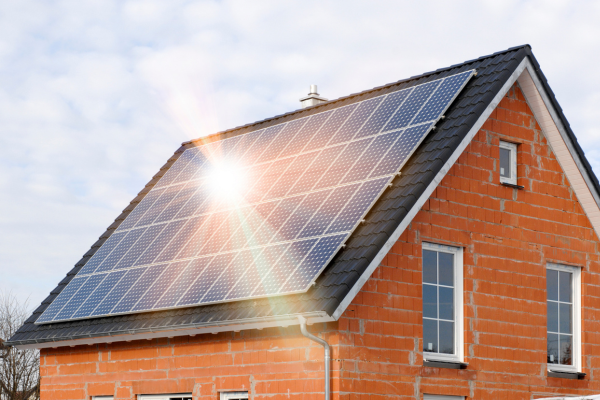
Government loans will be made available to help homeowners upgrade their homes and install solar panels, batteries and heat pumps. £2bn has been set aside for this.
Strategic partnership with the green home finance sector
The Government will work with lenders to expand and diversify the range of green financing options available to people wanting to upgrade their homes, e.g. with solar panels and battery installations.
Continuing VAT exemption on the installation of certain energy-saving materials
There is currently a zero rate of VAT on the installation of certain eligible technologies, which includes:
• Heat pumps
• Solar panels
• Electrical storage batteries
• Biomass boilers for whole house heating and hot water
That exemption will be extended until at least the end of March 2027.
Energy bills reduced by £150
From April 2026, an average of £150 of costs will be taken off people’s annual energy bills – as was announced in the 2025 Autumn Budget.
New standards for new-build homes
The full specification for the Future Homes Standard (and associated regulations) will be published by the end of April 2026. New homes will, by default, have low-carbon heating, high levels of energy efficiency and solar panels.
How will the Warm Homes Plan affect landlords?
There have been many schemes and dates proposed or published to inform landlords about initiatives to encourage or enforce energy efficiency for tenants, but the latest news from the Warm Homes Plan includes new proposals that will affect landlords.
EPC minimum C rating for rented homes in 2030
Landlords in England have been waiting for years for clarity around when the minimum EPC rating would be raised, and this has now been confirmed. Both social and private rented homes will have to meet a minimum C rating for all tenancies by 1st October 2030.
The EPC itself will be reformed so that the property is rated on four metrics:
1. Fabric performance – i.e. how well it retains heat
2. Heating system – the efficiency and effectiveness of the system
3. Smart readiness – e.g. tech that helps occupants conserve electricity
4. Energy cost
In reality, there is very little new in this latest plan – it seems to be mainly building on existing schemes and past pledges. However, it does at least provide landlords with clarity over EPC standards and give homeowners some reassurance that there will be continuing financial support for upgrades and retrofits.
More details are likely to come out over the course of this year, as the Government clarifies new standards and makes progress on strategic partnerships, and we will continue to keep you up to date.
Meanwhile, if you would like to discuss the value of making energy efficiency upgrades – whether you’re a landlord or a homeowner – we’re always here to help. Just get in touch with your nearest branch and have a chat with one of the team.