Turning the heating back on is one of the first signs that autumn has arrived. But before you crank up the thermostat, it’s worth taking a few minutes to check that everything is working as it should.
Whether you've been renting your home for years or have only just moved in, a quick autumn heating check can help you spot potential problems early, keep your home comfortable and avoid discovering an issue when the weather gets properly cold.
Here are 10 things to check before turning your heating on this autumn.
1. Check your thermostat
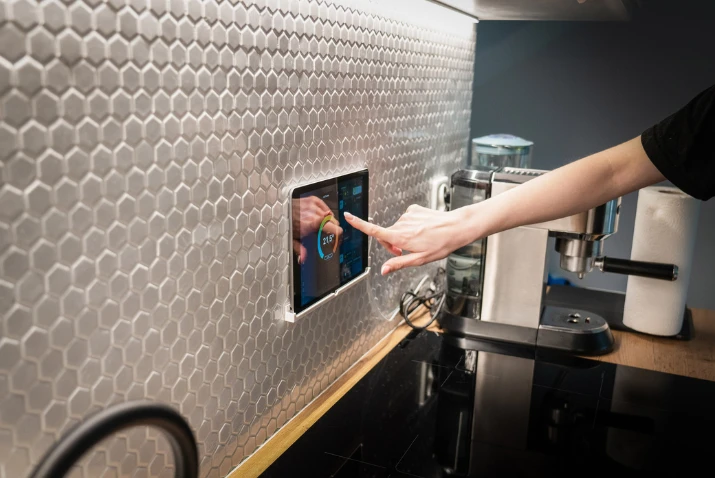
Start with your thermostat and make sure it is working properly. If you have a digital thermostat, check that the display is working and that the batteries don't need replacing.
It's also worth checking that your heating is set to the right schedule. If you changed your settings over the summer, you may need to adjust them for the cooler months.
If your thermostat isn't responding or the heating isn't switching on when it should, let your landlord or letting agent know.
2. Turn the heating on before you really need it
Don't wait until the first particularly cold evening to discover that your heating isn't working.
Turning it on for a short period while the weather is still relatively mild gives you an opportunity to check that your radiators are warming up and that the system is operating normally.
If you notice a problem, report it early rather than waiting until temperatures drop further.
3. Check your radiators
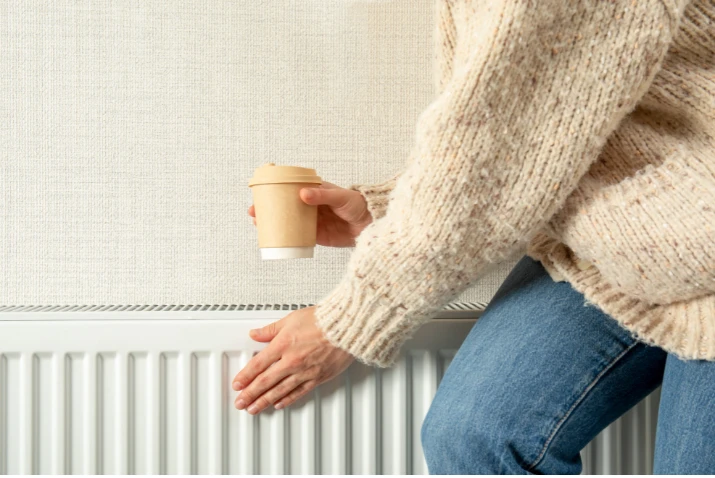
Walk around your home and check that your radiators are heating up properly.
If a radiator is completely cold when the heating is on, or you notice that it is significantly colder in one area than another, there could be an issue that needs investigating.
A radiator that is cold at the top may also need bleeding, but if you're unsure how to do this safely in your particular property, check with your landlord or letting agent first.
4. Check your boiler
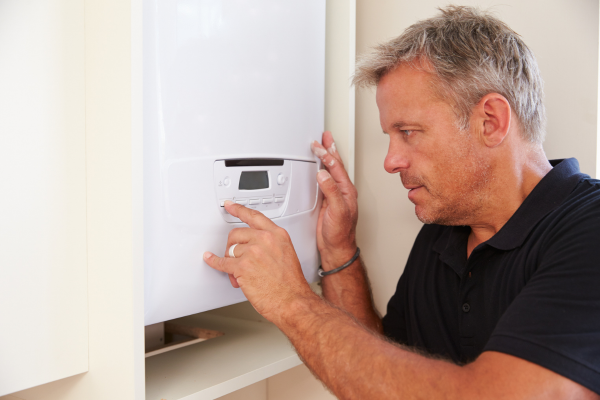
If you have a gas boiler, take a look at it before relying on it throughout the colder months.
Check the display for any warning messages or error codes and make sure there are no obvious signs of a problem.
Don't attempt to repair or dismantle a boiler yourself. If something doesn't look right, contact your landlord or letting agent.
5. Listen for unusual noises
Heating systems aren't always completely silent, but unusual banging, clanking, whistling or gurgling noises shouldn't necessarily be ignored.
If your boiler or radiators suddenly sound different from usual, make a note of what you're hearing and report it to your landlord or letting agent.
It's much better to flag a potential problem early than wait for the heating to stop working completely.
6. Check for leaks
Have a quick look around your boiler, radiators and visible pipework for signs of leaking water.
Even a small leak can become a bigger problem if it's left unattended, so report anything unusual promptly.
You should also keep an eye out for damp patches, staining or water marks around radiators and pipes.
7. Check your windows and doors for draughts
Once the heating is on, you don't want all that warmth escaping through gaps around your windows and doors.
Check for noticeable draughts around frames, particularly if you've noticed your home becoming colder than usual.
There are simple, removable solutions you may be able to use, such as draught excluders, but damage to windows, doors or seals should be reported to your landlord rather than repaired yourself.

8. Make sure your radiators aren't blocked
Furniture pushed directly against a radiator can prevent warm air from circulating effectively around the room.
Before autumn gets into full swing, take a look at the position of your furniture and make sure your radiators aren't being covered by sofas, curtains or other large items.
You don't necessarily need to completely rearrange a room — even creating a little more space around the radiator can help warm air circulate.
9. Check your heating controls
If your property has individual radiator controls or other heating controls, make sure you understand how they work.
Being able to adjust the temperature in different rooms can help you avoid heating rooms unnecessarily.
If you've moved into a new rental and aren't sure how your heating system works, ask your landlord or letting agent for guidance rather than guessing.
10. Know who to contact if something goes wrong
Finally, make sure you know how to report a heating problem.
Save your landlord or letting agent's contact details somewhere easy to find and check whether your tenancy has a specific process for reporting repairs.
Heating isn't something you want to be scrambling to sort out in the middle of winter, so reporting problems as soon as you notice them can make autumn much less stressful.
Getting your heating ready doesn't need to be a major job. A quick check can help you spot potential problems before the colder weather arrives.
And remember, you shouldn't be expected to diagnose or repair potentially serious heating or boiler problems themselves. If something isn't working properly, report it to your landlord or letting agent so it can be dealt with appropriately.